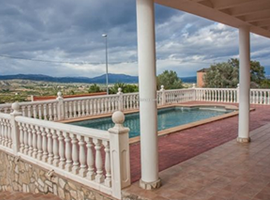
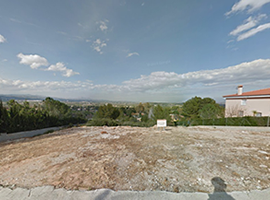
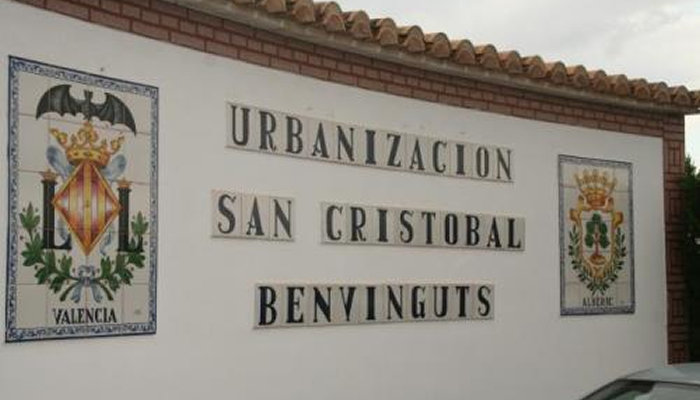
Urbanization San Cristobal, Alberique, Valencia Cost, Spain
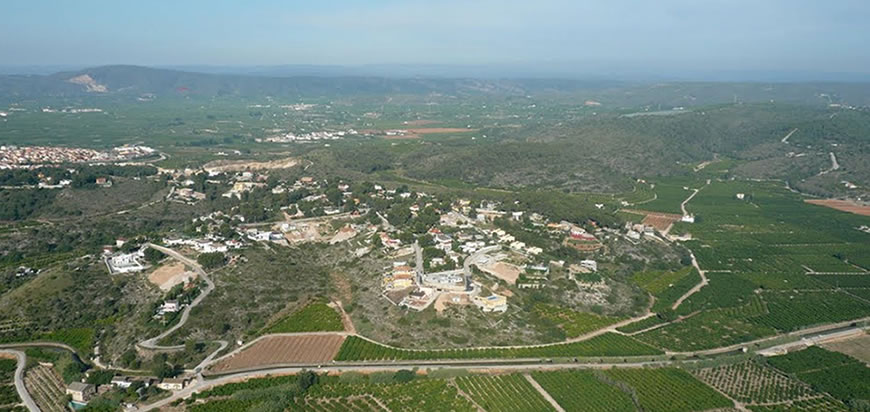
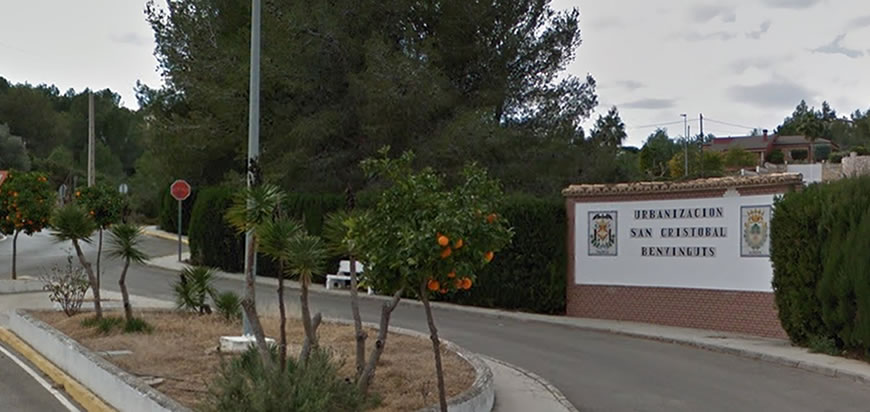
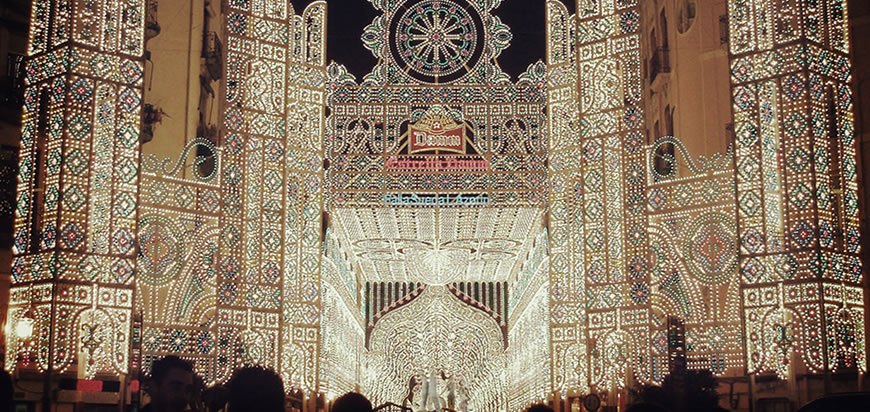
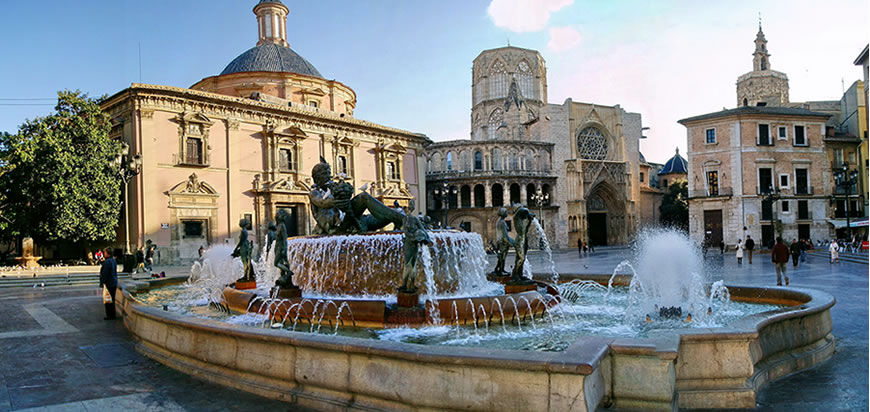
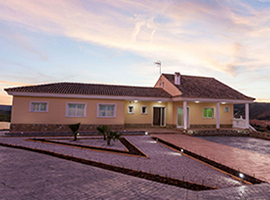
Urbanization, San Cristobal, Alberique
3.000.000m2 of Area
1.000.000m2 of Gardens & Parks
- 1.000 Urbanized Plots
- 650 inhabited houses
Social Center
Bars and restaurants
English teaching school at 5 minutes drive
School for children with disabilities in the area
Alberique
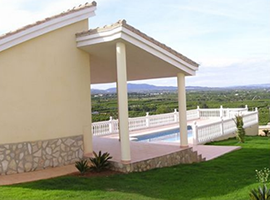
Located in the region of Ribera Alta, is located 8km from Alzira and 40km of the capital Valencia between the river and saw Jucar Tous. The term surface is flat, except for a small area to the west, in the foothills of the Sierra de Tous. The villas are situated in the plain between the left bank and ditch Jucar Real, at the foot of a small rise in the ground of 50 meters altitude and 40 hectares, which has formed a small Mediterranean forest.
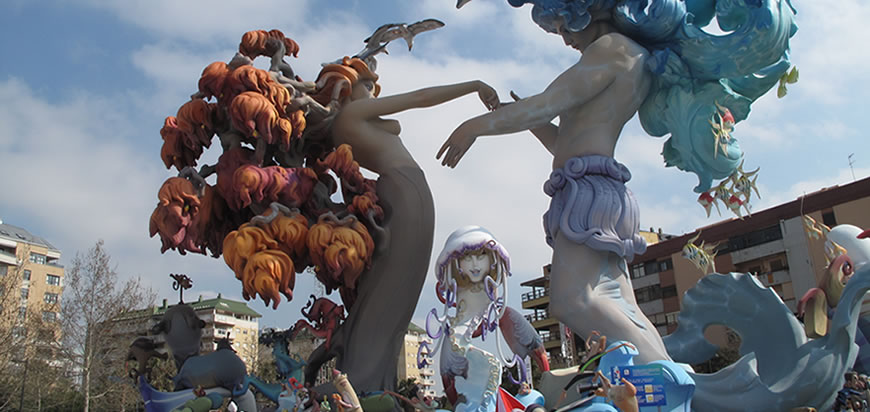
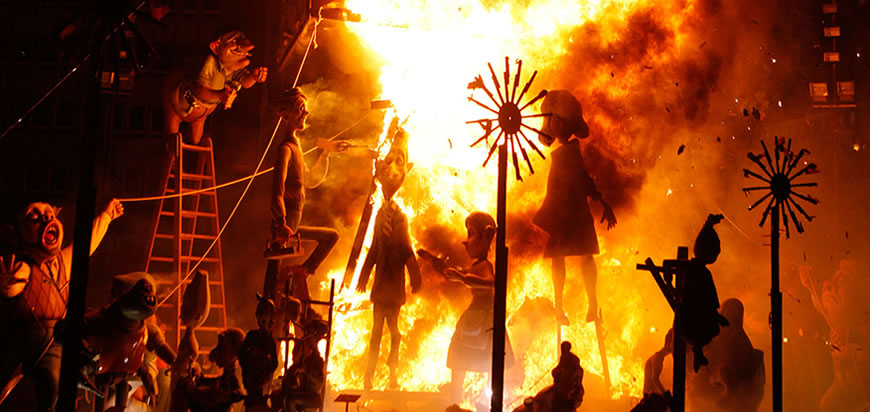
Alberic has a busy cultural agenda, including its festivities and religious celebrations.
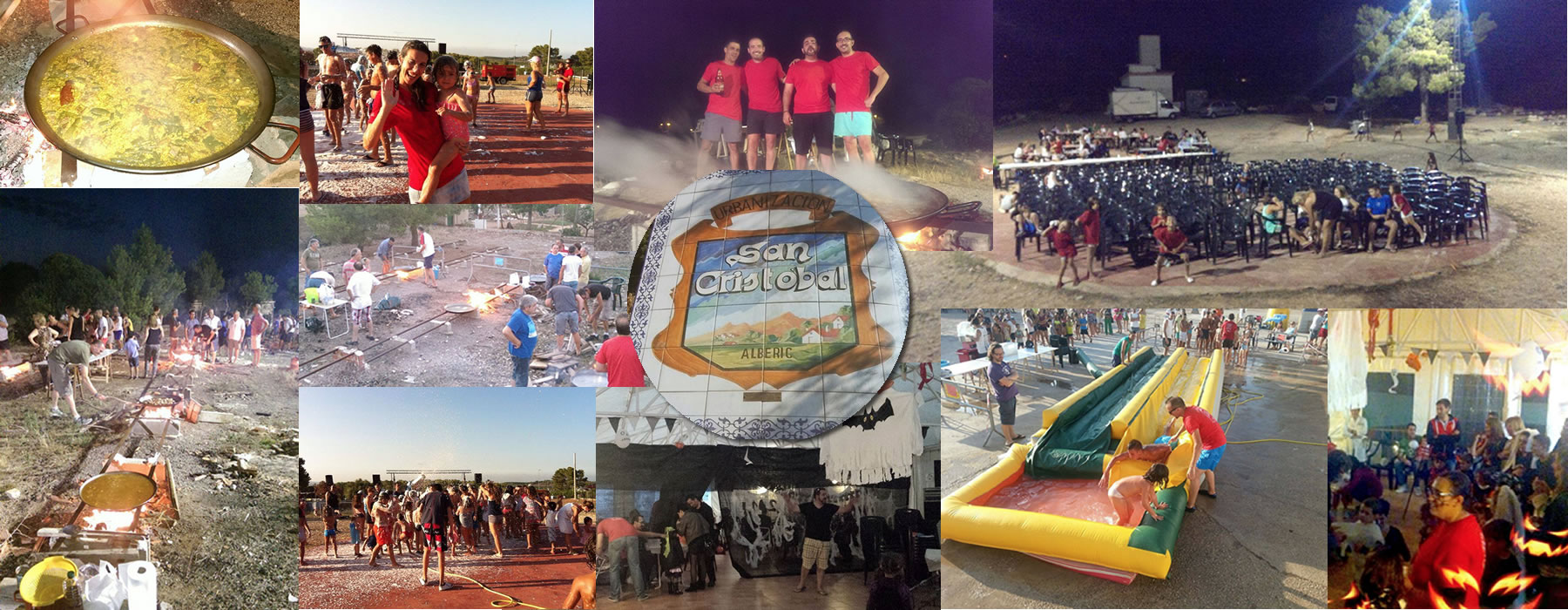
Every year the urbanization celebrate it's festivity in honor of Saint Cristobal between 1 and 6 of August, with major celebrations, fellowship dinners and dances with sets by artists involving residents of all nationalities.
The weather is Mediterranean weather with mild winters and warm summers. You can see more from San Cristobal Festivities in the Facebook group of San Cristobal urbanization Facebook: Urbanization San Cristobal Festivities
The Valencian Coast stretches along a province with two clearly distinct landscapes:
the coast and the mountains.
On the coast lay the prosperous districts that enjoy the fabulous fertile plains, with irrigated crops that form an evergreen mosaic all year round. On the other hand, behind an area of gently sloping foothills in which dry and light-irrigation farming are characteristic, lies the wild, almost unknown inland; the mountainous arch of the Valencia mountain range, cut here and there by its impressive river canyons, stands in a setting dotted with vast pine forests where caves and prehistoric shelters with many cave paintings lie hidden. The low, sandy coastline of shallow waters has only one outstanding geographical feature: Cape Cullera. This is the point where the mountains reach the sea. A barrier of dunes flanks the beaches, as well as some marshy areas and freshwater pools, such as the swamps of Puig and Jaraco (Xeraco), and above all, the lagoon of Valencia. This coastline is reached by four rivers that begin their journey in the mountains: Palancia, Turia, Júcar (Xúquer) and Serpis. These meander down to the coastline where they enter the sea, brimming with marine traffic in and around the ports of Sagunto, Valencia and Gandía. There we find modern sailing facilities for sports vessels and lively tourist centres, from where travellers will have the chance to discover the beauty of the highlands, the mountain spas, camping areas, Iberian and Roman towns, emblazoned houses, castles and towers.
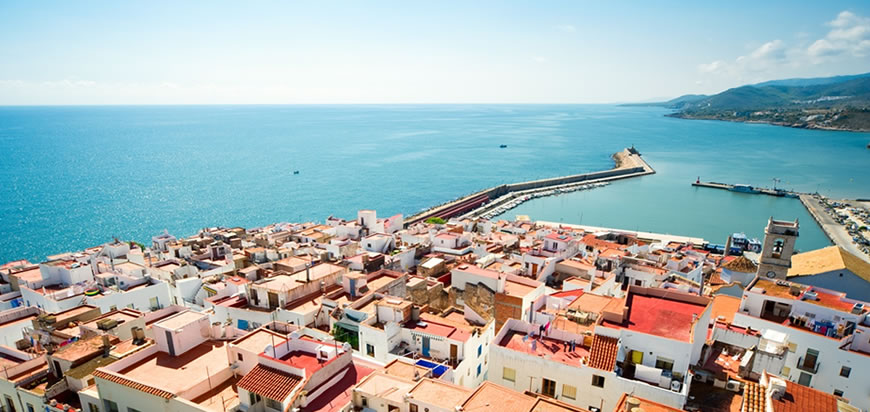
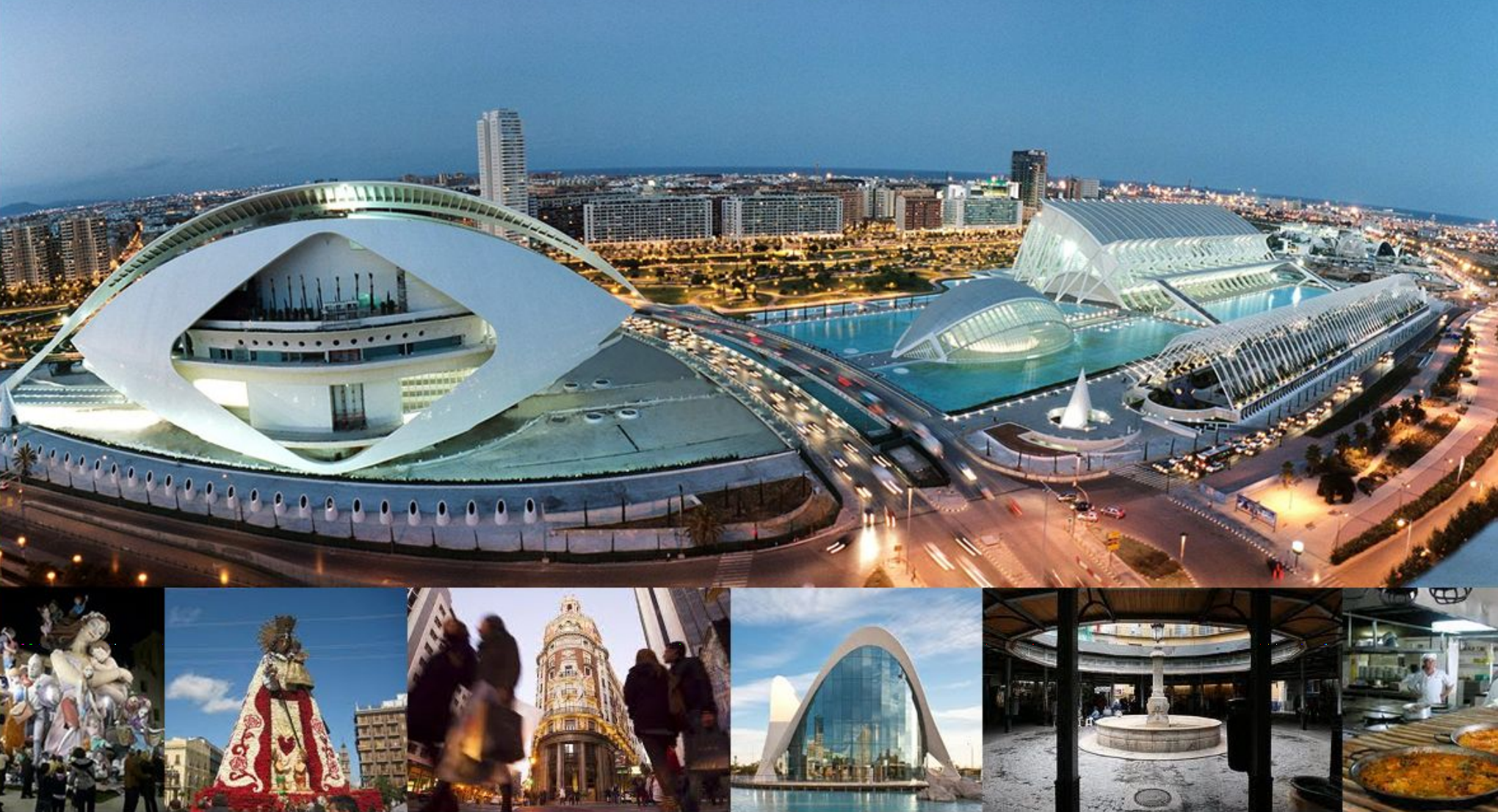
Photos of the surrondings
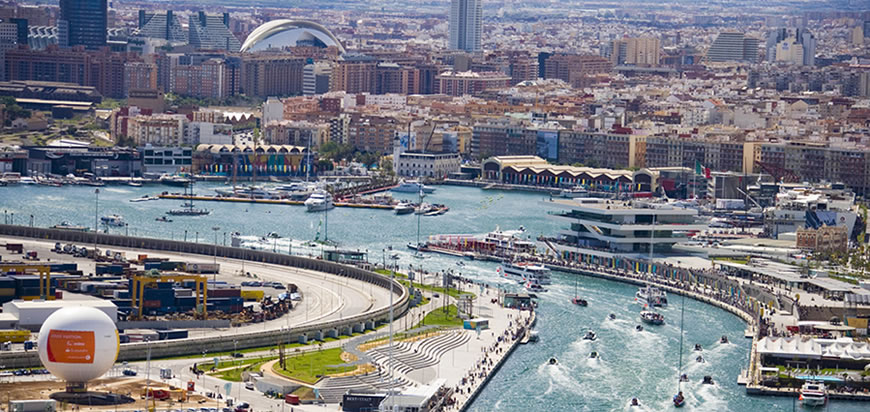
Valencia
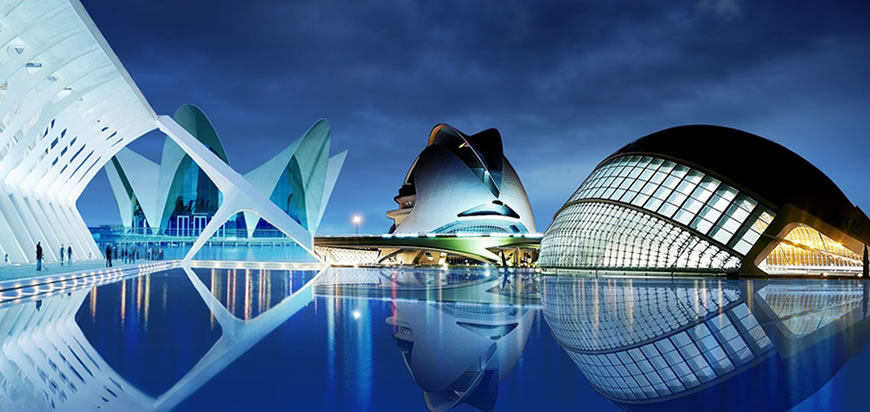
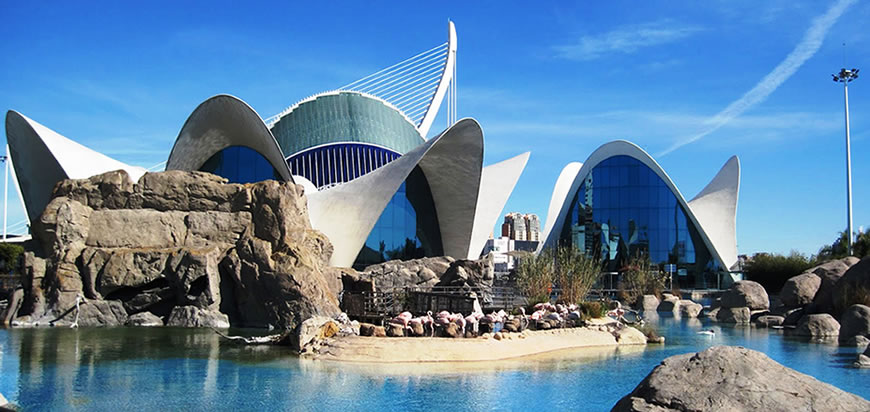
Valencia is the capital of the autonomous community of Valencia and the third largest city in Spain after Madrid and Barcelona, with around 800,000 inhabitants in the administrative centre. Its urban area extends beyond the administrative city limits with a population of around 1.5 million people. Valencia is Spain's third largest metropolitan area, with a population ranging from 1.7 to 2.5 million. The city has global city status. The Port of Valencia is the 5th busiest container port in Europe and busiest container port on the Mediterranean Sea.Valencia was founded as a Roman colony in 138 BC. The city is situated on the banks of the Turia, on the east coast of the Iberian Peninsula, fronting the Gulf of Valencia on the Mediterranean Sea. Its historic centre is one of the largest in Spain, with approximately 169 hectares; this heritage of ancient monuments, views and cultural attractions makes Valencia one of the country's most popular tourist destinations. Major monuments include Valencia Cathedral, the Torres de Serranos, the Torres de Quart, the Llotja de la Seda (declared a World Heritage Site by UNESCO in 1996), and the Ciutat de les Arts i les Ciències (City of Arts and Sciences), an entertainment-based cultural and architectural complex designed by Santiago Calatrava and Félix Candela.[4] The Museu de Belles Arts de València houses a large collection of paintings from the 14th to the 18th centuries, including works by Velázquez, El Greco, and Goya, as well as an important series of engravings by Piranesi.[5] The Institut Valencià d'Art Modern (Valencian Institute of Modern Art) houses both permanent collections and temporary exhibitions of contemporary art and photography.
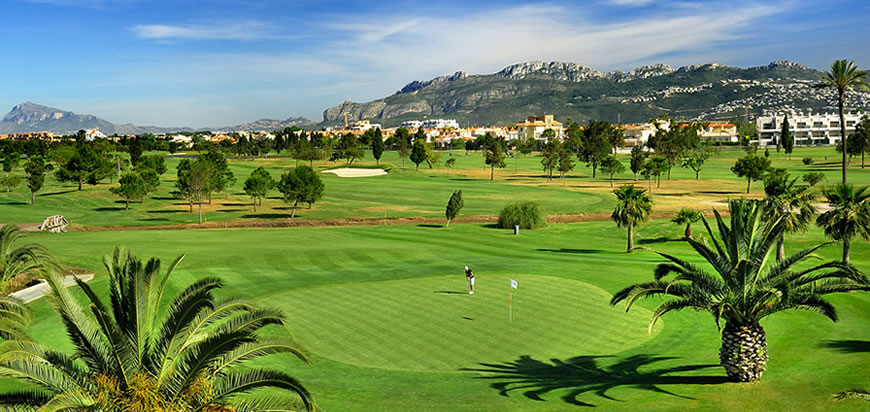
Golfs resorts nearby
The San Cristobal urbanization is located in the heart of Mediterranean golf. Surrounded by over 20 of the best golf courses in Spain. The course's design by the mediterranean golf resorts, took into account its integration in the protected landscape. The course layout is varied, ranging from the beach links reminiscent of the famous Scottish golf courses, to areas of typical Mediterranean forest.